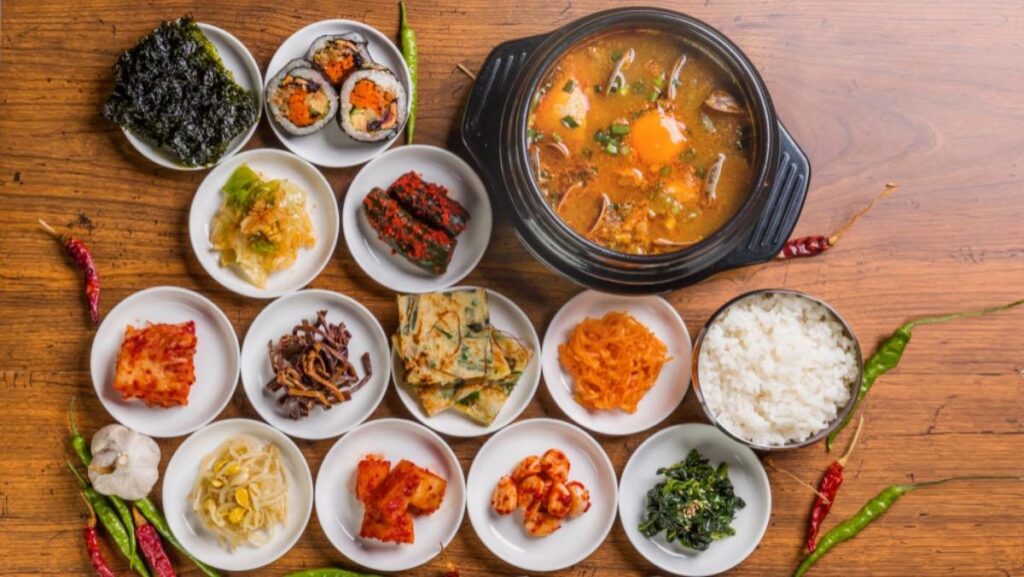
The Side Dishes That Complete Every Korean Meal
Small plates, big flavor, endless variety —
welcome to the cozy, colorful world of Korean banchan (반찬).
If Korean food had a love language, it would definitely be banchan. ❤️
These little side dishes appear at every Korean meal —
from home-cooked lunches 🍱 to BBQ restaurants 🥩 to elegant hanjeongsik tables.
They’re generous.
They’re colorful.
They’re usually refillable (yes, free refills! 😲).
And more than anything, they quietly tell the story of Korean home cooking and hospitality.
Ask any Korean and they’ll say:
“A meal without banchan feels lonely.”
(“반찬 없으면 밥이 심심해.”)
Let’s take a warm, tasty walk into the world of Korean side dishes 🥢✨
⭐ What Is Banchan? (반찬이란?)
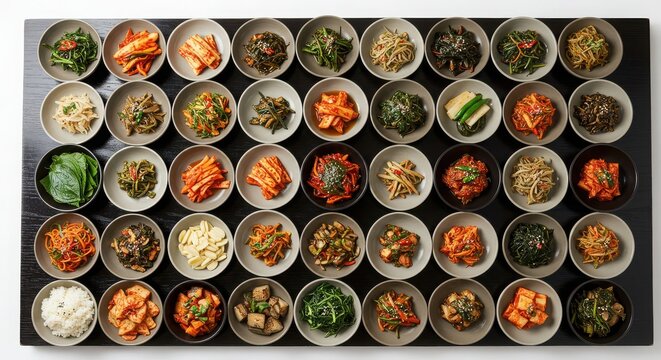
Banchan are small side dishes served with rice 🍚.
They are not appetizers and not optional extras.
In Korean meals, food is meant to be:
🥢 shared
🥬 mixed
🍚 eaten together
And banchan is the heart of that shared table culture.
There’s no fixed number of banchan.
Sometimes you get 3, sometimes 6, sometimes 12, and at traditional meals… even 20+ 😲
More banchan doesn’t mean “fancy.”
It means care. 💕
🥬 Types of Banchan (Quick Guide)
Before we dive into specific dishes, here’s how Koreans think about banchan:
🌶 Fermented (kimchi, pickles)
🥗 Seasoned vegetables (namul)
🍳 Protein-based (eggs, tofu, fish, meat)
🍯 Sweet-salty braised dishes
🧄 Garlicky, sesame-oil comfort foods
A good Korean meal balances all of these.
⭐ 1. Kimchi (김치) 🌶️
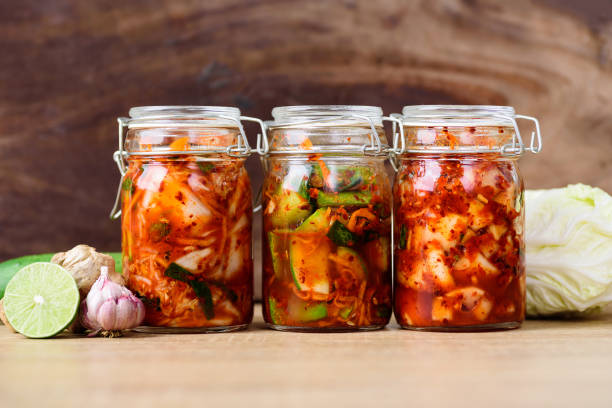
The soul of Korean dining.
Fermented, spicy, tangy, and alive with flavor.
There are 200+ types of kimchi, but most restaurants serve:
🥬 Baechu Kimchi (napa cabbage)
🔴 Kkakdugi (radish cubes)
Quick Kimchi Recipe (easy home version):
Ingredients:
🥬 Napa cabbage (or radish)
🧄 Garlic, minced
🌶 Gochugaru (Korean chili flakes)
🥄 Fish sauce (or soy sauce)
🧂 Salt, sugar
How to make:
1️⃣ Slice cabbage and sprinkle with salt. Let it sit for 30-40 minutes to soften.
2️⃣ Rinse cabbage and drain the water.
3️⃣ Mix gochugaru, garlic, and fish sauce (or soy sauce) in a bowl.
4️⃣ Rub the spice mix onto the cabbage.
5️⃣ Store in a jar and let it ferment in the fridge for a few days.
⭐ 2. Kongnamul (콩나물) — Soybean Sprouts 🌱
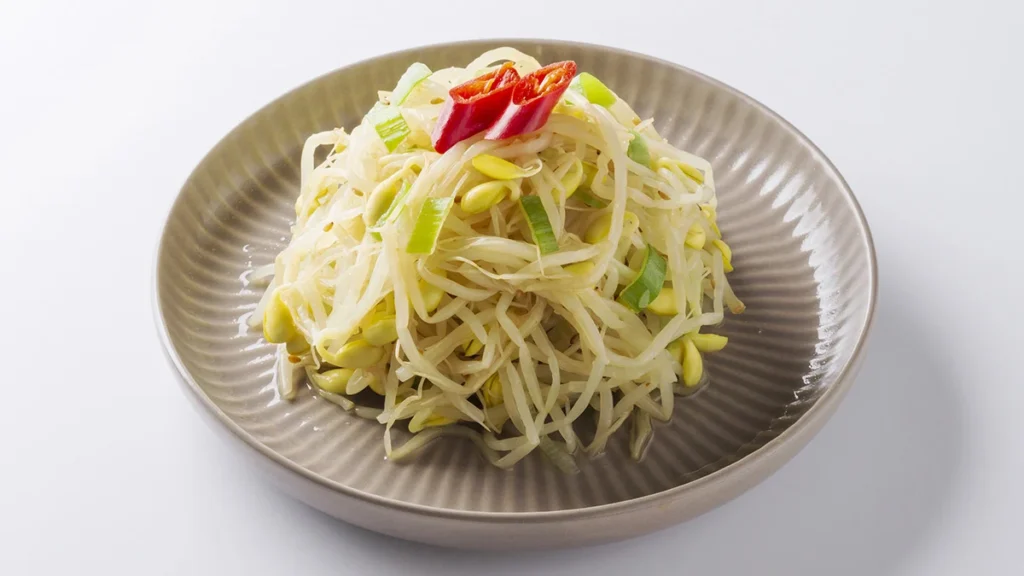
Light, crunchy, and surprisingly addictive.
Seasoned simply with sesame oil, garlic, soy sauce, and green onion.
It looks humble… until you realize you finished it without noticing 😅
Quick Kongnamul Recipe:
Ingredients:
🌱 Soybean sprouts
🧄 Garlic, minced
🥄 Sesame oil
🧂 Soy sauce
🌿 Green onion
How to make:
1️⃣ Boil the soybean sprouts in water for 3-4 minutes.
2️⃣ Drain and rinse under cold water.
3️⃣ Toss sprouts with sesame oil, garlic, soy sauce, and green onion.
4️⃣ Serve chilled or at room temperature.
⭐ 3. Sigeumchi Namul (시금치나물) — Seasoned Spinach 🥬
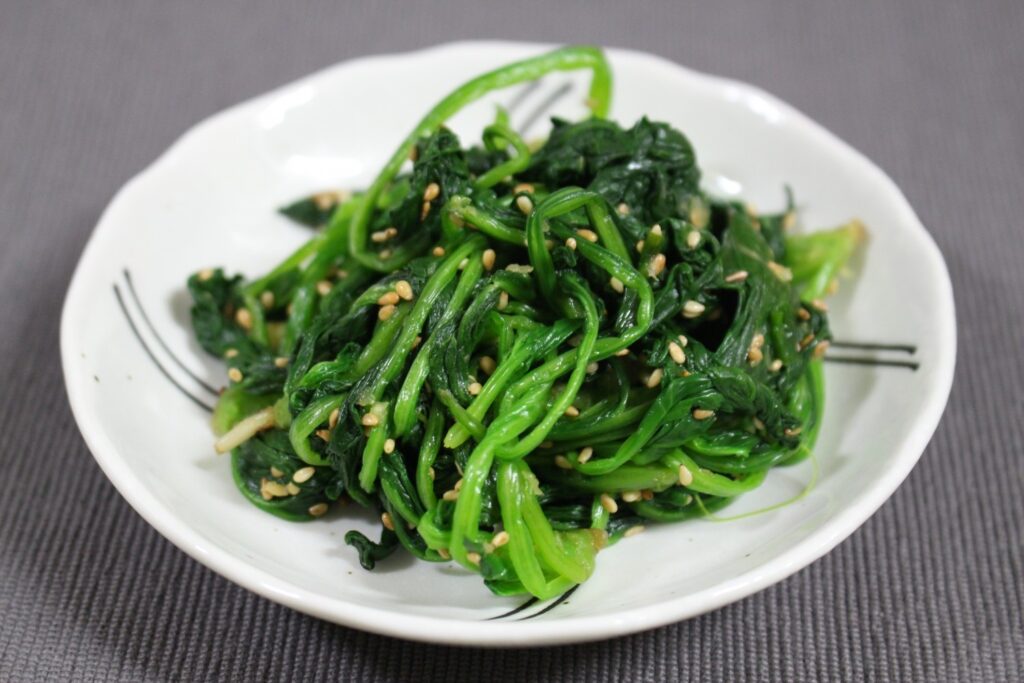
Soft, savory, and clean-tasting.
Blanched spinach mixed with garlic, sesame oil, and salt.
It’s a classic home-style banchan and a key ingredient in bibimbap.
Quick Sigeumchi Namul Recipe:
Ingredients:
🥬 Fresh spinach
🧄 Garlic, minced
🥄 Sesame oil
🧂 Salt
How to make:
1️⃣ Blanch the spinach in boiling water for 30 seconds.
2️⃣ Drain and squeeze out excess water.
3️⃣ Mix spinach with garlic, sesame oil, and salt.
4️⃣ Serve chilled or at room temperature.
⭐ 4. Japchae (잡채) — Glass Noodle Stir-Fry 🍜
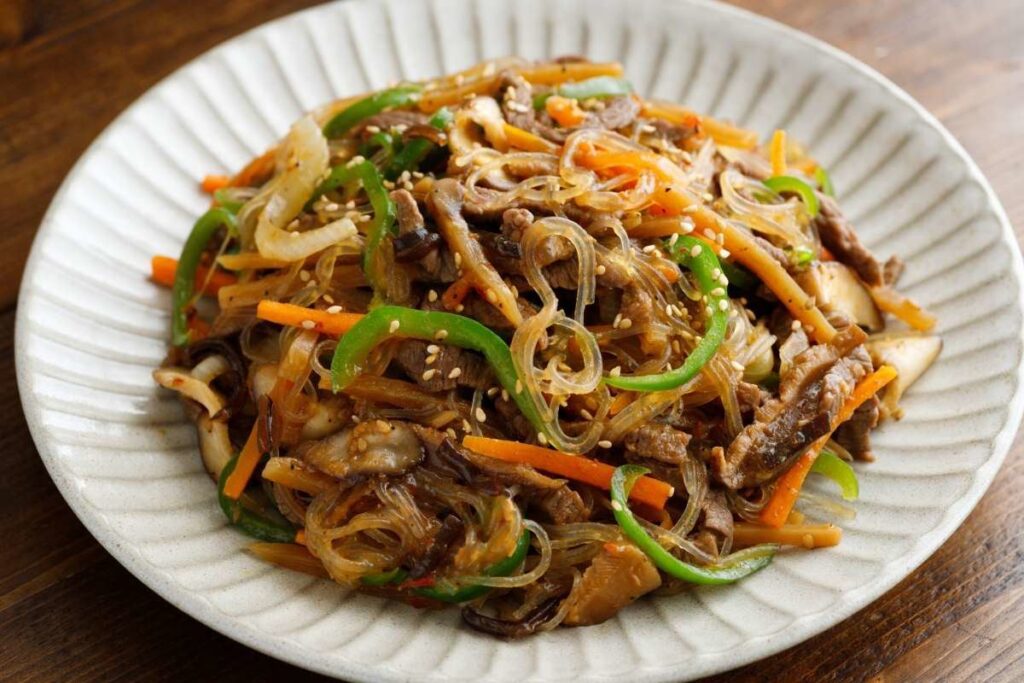
Colorful, sweet-savory, and full of texture.
Japchae isn’t always served as banchan, but when it is, it feels like a bonus gift 🎁
Made with glass noodles, vegetables, sesame oil, and sometimes beef.
Quick Japchae Recipe (as banchan):
Ingredients:
🍜 Glass noodles (dangmyeon)
🥕 Carrots, julienned
🧅 Onion, sliced
🥬 Spinach or other veggies
🥄 Soy sauce
🥄 Sugar
🥄 Sesame oil
How to make:
1️⃣ Boil noodles according to package instructions.
2️⃣ Stir-fry veggies (carrot, onion, spinach) in sesame oil.
3️⃣ Add noodles and stir-fry together with soy sauce, sugar, and sesame oil.
4️⃣ Serve warm or at room temperature.
⭐ 5. Gamja Jorim (감자조림) — Soy-Braised Potatoes 🥔
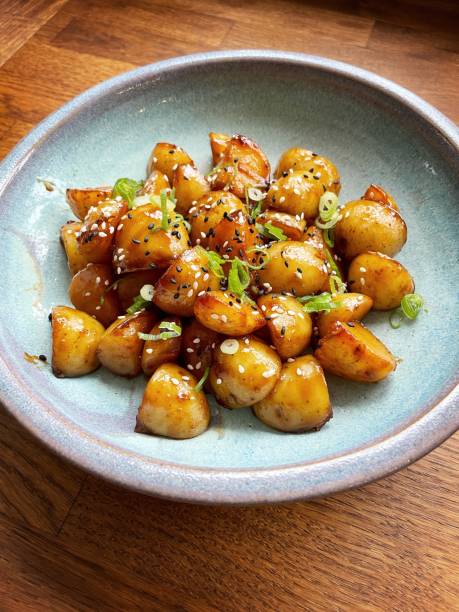
Sticky, glossy, sweet-salty comfort food.
Every Korean kid has memories of sneaking extra gamja jorim from the fridge at night 😆
Quick Gamja Jorim Recipe:
Ingredients:
🥔 Potatoes
🥄 Soy sauce
🥄 Sugar
💧 Water
How to make:
1️⃣ Peel and cut potatoes into chunks.
2️⃣ Simmer with soy sauce, sugar, and water for about 20 minutes.
3️⃣ Cook until the potatoes are tender and glossy.
⭐ 6. Gyeran Jjim (계란찜) — Steamed Egg 🍳
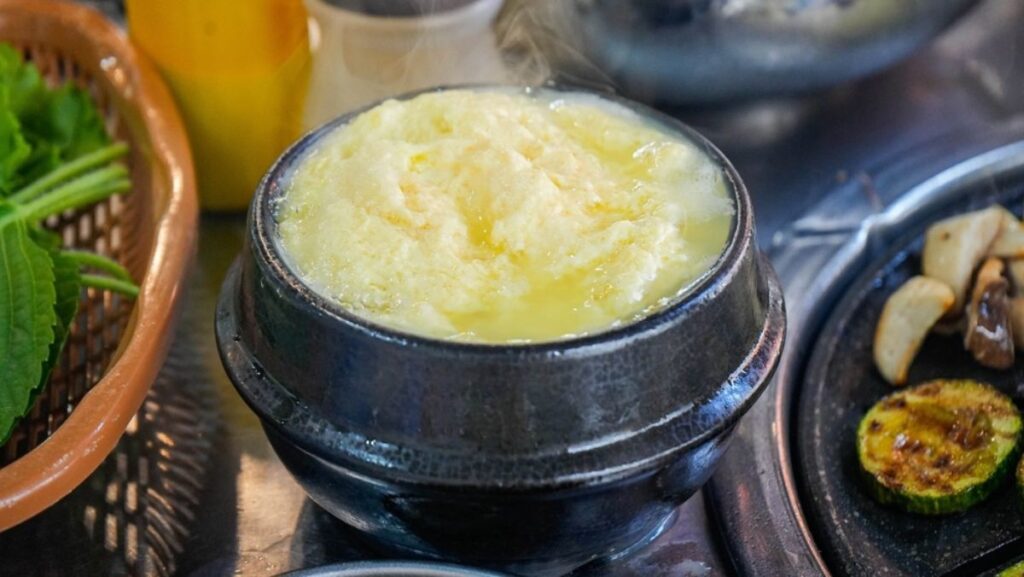
Fluffy. Warm. Cloud-like.
Quick Gyeran Jjim Recipe (Microwave version):
Ingredients:
🥚 Eggs
💧 Water or broth
🧂 Salt
How to make:
1️⃣ Beat eggs and mix with water and salt.
2️⃣ Microwave for 2-3 minutes (stir halfway through).
3️⃣ For a more traditional version, steam on the stovetop.
⭐ 7. Oi Muchim (오이무침) — Spicy Cucumber Salad 🥒
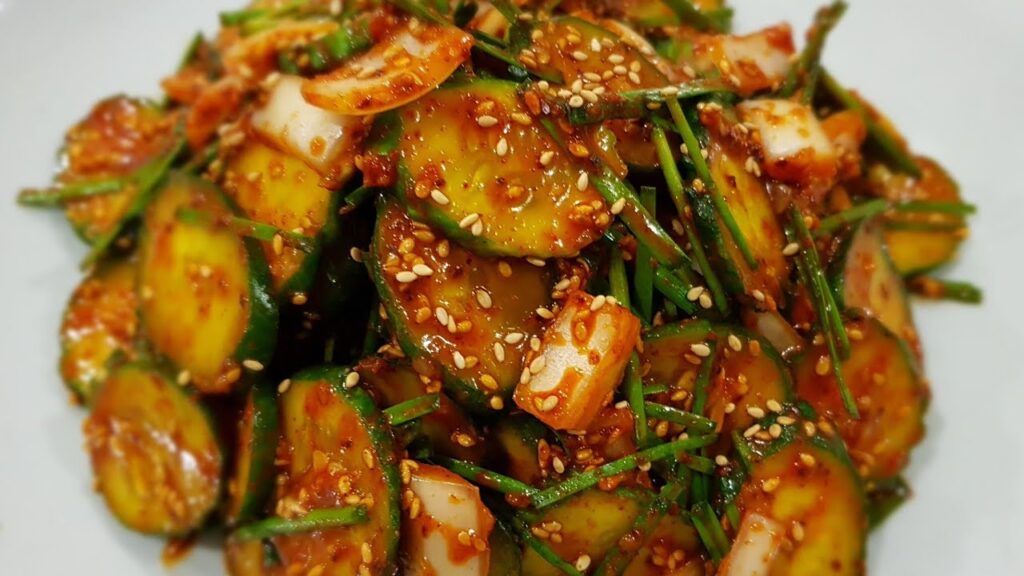
Crisp, spicy, refreshing.
Quick Oi Muchim Recipe:
Ingredients:
🥒 Cucumber, thinly sliced
🌶 Gochugaru (Korean chili flakes)
🥄 Vinegar
🥄 Sesame oil
🧂 Salt
How to make:
1️⃣ Slice cucumber thinly.
2️⃣ Toss with gochugaru, vinegar, sesame oil, and salt.
3️⃣ Chill for 10–15 minutes before serving.
⭐ 8. Myeolchi Bokkeum (멸치볶음) — Stir-Fried Anchovies 🐟
Sweet, salty, crunchy, and tiny.
Quick Myeolchi Bokkeum Recipe:
Ingredients:
🐟 Dried anchovies
🥄 Soy sauce
🥄 Sugar or honey
🧄 Garlic, minced
How to make:
1️⃣ Dry-fry anchovies in a pan for 1–2 minutes.
2️⃣ Add soy sauce, sugar, and garlic, then stir-fry for another 2 minutes.
3️⃣ Turn off the heat and mix in sesame oil if you like.
4️⃣ Optional: Add your favorite nuts like almonds or peanuts for extra crunch and flavor 🥜✨
⭐ 9. Jangjorim (장조림) — Braised Beef & Eggs 🍖🥚
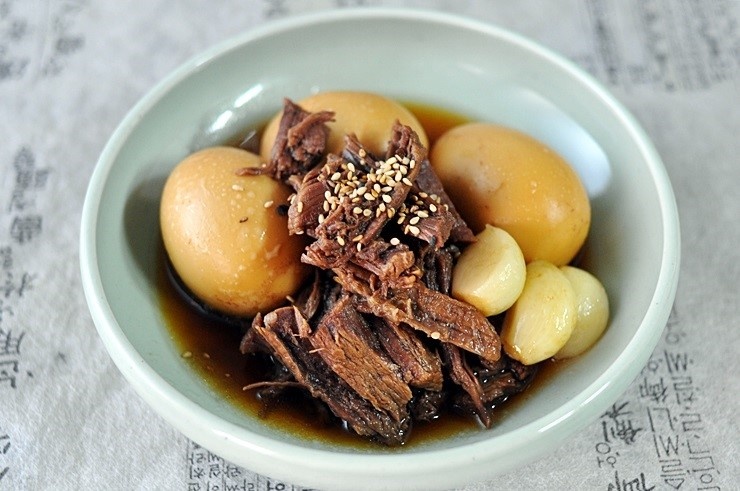
Deep, savory, and perfect with rice.
Quick Jangjorim Recipe:
Ingredients:
🍖 Beef (or just eggs!)
🥚 Eggs, boiled
🥄 Soy sauce
🧄 Garlic, minced
How to make:
1️⃣ Simmer beef (or just eggs) in soy sauce and garlic for 30 minutes.
2️⃣ Add boiled eggs and cook for another 10–15 minutes.
3️⃣ Serve with rice.
⭐ 10. Gaji Muchim (가지무침) — Seasoned Eggplant 🍆
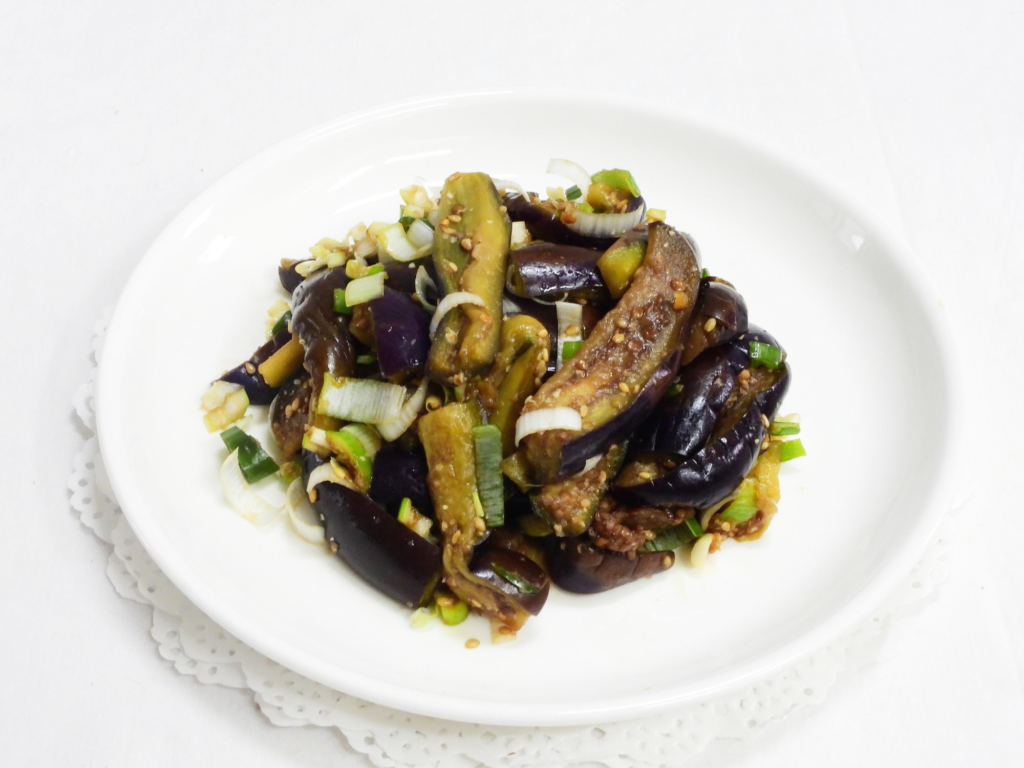
Soft, silky, and garlicky.
Quick Gaji Muchim Recipe:
Ingredients:
🍆 Eggplant
🧄 Garlic(minced), green onion
🥄 Sesame oil
🧂 Salt
How to make:
1️⃣ Steam or microwave eggplant for 3–5 minutes.
2️⃣ Tear into strips and mix with garlic, sesame oil, and salt.
3️⃣ Serve cold or at room temperature.
⭐ 11. Dubu Buchu Muchim (두부부추무침) — Tofu & Chive Salad 🌱
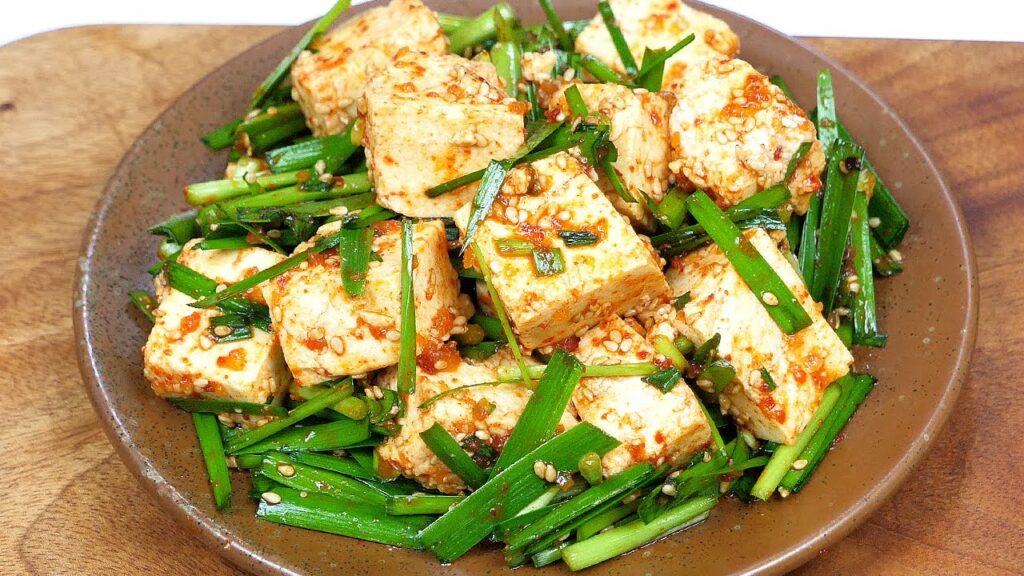
Light, clean, and vegan-friendly.
Quick Dubu Buchu Muchim Recipe:
Ingredients:
⬜ Fresh tofu
🌿 Chives or green onion
🥄 Soy sauce, Sesame oil
🌶 Chili flakes
How to make:
1️⃣ Slice tofu into blocks.
2️⃣ Toss tofu with chives, chili flakes, soy sauce and sesame oil.
3️⃣ Serve chilled.
⭐ Why Do Koreans Serve So Many Banchan?
Because Korean food culture is based on:
🍚 sharing
🌿 balance (meat + veggies + fermented foods)
👩🍳 home cooking traditions
❤️ hospitality — more food = more love
🥢 tasting a little bit of everything
A Korean meal isn’t just one dish —
it’s a whole table full of love.
🥢 Banchan Etiquette (For First-Timers!)
✔ Yes, you can ask for refills — totally normal
✔ Try a little of everything
✔ Don’t take all the “best pieces” at once 😆
✔ Eat banchan with rice
✔ Mix and match — no strict rules!
Korean meals are interactive.
Follow your taste, not perfection 💛